I. 서 론
광개토태왕의 비문에 백잔을 공격하여 공취한 성 중에 암문성(巖門城)이 있다. 암문성의 한자 뜻풀이를 하면 바위로 된 문을 가진 성곽이란 뜻이다. 필자는 고구려 성의 입구는 바위로 되어 양쪽에 치 (keep)가 있는 형태라서 별 주의를 하지 않았다. 모든 성이 돌로 지어졌기에 너무 평범한 이름이라 혹시 발음을 따서 지었나 생각하던 중, 레반트지역의 요르단의 Ammon지역을 찾아 보게 되었다. 그래서 자세히 살펴 보니 이곳 주위에도 광개토태왕이 진출하지 않았나 한다. 그러다 최근에 요르단의 페트라를 방문하는 위대한 가이드 예능프로그램을 보고, 혹시나 암문성이란 이름이 페트라를 가리키는 것은 아닐까 상상하기도 했다. 바위위에 신전을 세운 모습이 문(門)을 조각한 모습이기에 그렇게 느껴졌다. 그리고 파헤쳐 보니 나바테아인은 스키타인이 아닌가 하는 생각을 하게 되었다. 그래서 펜을 들게 되었다.
II. 본 론
1. 암문성
필자는 고트족의 Alaric I왕이 고구려의 광개토태왕으로 추정했다. 그래서 Alaric I왕의 원정 경로를 살펴 보아도 그리스지역, 비잔티움(=콘스탄티노플)까지 진출한 것으로 보이는데, Levant지역은 구체적으로 언급하는 것을 아직 보지 못했다.
반면 훈족의 원정길이 동쪽에서 나타난다. 훈족은 페르시아 사산왕조의 수도 Ctesiphon까지 진출하였으나 그냥 철군하는 것으로 기술된다. 필자는 사산왕조 페르시아를 신라라 추정했다. 그래서 신라의 수도 금성에 진출하였다가 철수하는 모습이 광개토태왕이 신라를 구원하기 위해 진출했다가 철수하는 모습으로 생각할 수 있으나, 광개토태왕은 신라의 금성에 모인 왜, 가야, 백제의 세력을 쳐부수고, 나아가 왜의 임나지역과 가라까지 진출하여 파괴했다고 하였다.
그러나 금성에 이은 왜 지역의 공격이 페르시아 크테시폰 공격에서는 기술되지 않는다. 그래서 필자는 이에 의문을 갖는다. 반면, Alaric I왕은 로마시를 두번이나 포위하는 일이 있고, 410년 이후는 남으로 시실리까지 내려 가며, 태자를 보내 아프리카 카르타고까지 보낸다. 필자는 시실리는 왜의 임나지역이고 카르타고는 금관가야(가라지역)로 추정하였으므로 신라의 금성은 로마시로 추정한다.
따라서 훈족의 레반트지역 진출, 카파도키아 진출이나 페르시아 진출은 광개토태왕의 일부 병력이 간 것이 아닌가 추정한다. 암문성은 이러한 관점에서 레반트지역의 역사를 살펴 보며, 광개토태왕의 고구려 세력이 이 지역에 진출하였는가를 살펴 보고자 한다. 만약에 암문성이 이 레반트지역에 있다 하면, 훈족, 고트족 모두 광개토태왕의 정복전쟁의 세력이었다는 것을 의미하게 된다.
2. 훈족의 시리아 침범
훈족의 역사에서도 구체적인 지역 진출에 대한 역사기록이 부실하다. 로마사가들이 서로마제국에 대한 역사는 어느 정도 기술하고 있으나, 자료상의 문제 때문인지 아니면 언급을 회피하는 것인지 매우 빈약한 서술을 보이고 있다. 아래 훈족의 시리아, 아나톨리아의 카파도키아 진출도 단 두 줄의 기록이 전부이다.
"The Huns devastated parts of Syria and Cappadocia, threatening Antioch.[59] The devastation was worse because most Roman forces had been moved to the West due to Roman power struggles there.[60] "
훈족은 시리아지역과 카파도키아 지역을 유린하였으며, 안티오크를 위협했다. 더욱 황폐했던 것은 대부분의 로마군이 서쪽에서의 권력다툼으로 서쪽으로 이동했기 때문이다. (상기 내용)
(source : History of Huns, wikipedia, 인용출처 : 필자의 네이버 블로그,(lainfos), 카테고리 , Huns)
그러나 시리아 역사 (History of Syria)를 기술한 위키피디아 자료는 위의 훈족의 공격에 대해 일언반구도 없다. (아래 자료 참조) 그러나 395년 비잔틴제국이 시리아를 취하면서 조그만 시리아를 3개의 영역으로 나눈 것이 수상하다.
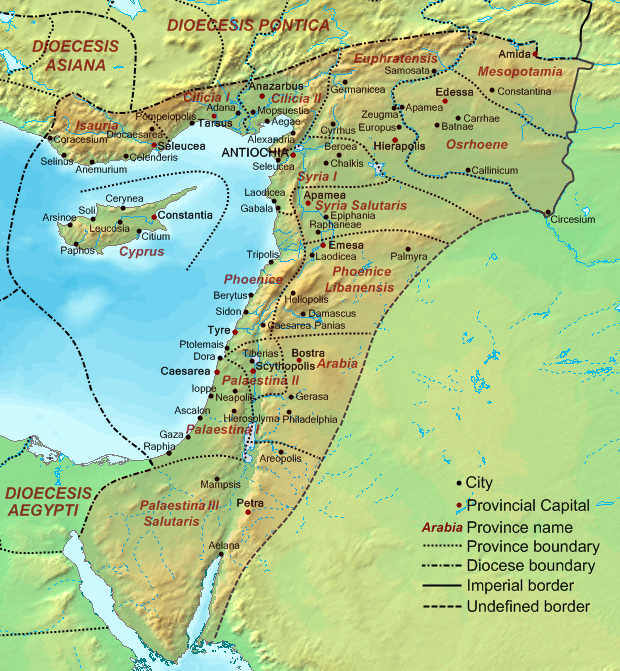
Diocese of the East, AD 400 (source : Wikipedia)
"Byzantine period (395-636/37)
With the decline of the empire in the west, Syria became part of the Eastern Roman, or Byzantine, Empire in 395. The province was subsequently divided into three, smaller provinces. Syria Prima, with the capital remaining at Antioch, and Syria Secunda, with its capital moving to Apamea on the Orontes, and the new province of Theodorias, with Laodicea as its capital.[13] By then the empire had converted to Christianity, in the history of which Syria had played a significant role; Paul the Apostle had converted on the Road to Damascus and emerged as a significant figure in the Church of Antioch, from where he had set off on many of his missionary journeys. (Acts 9:1–43)
서로마제국의 쇠퇴로, 시리아는 395년 비잔티제국의 일부가 되었다. 이 지역은 3개의 지역으로 나뉘었다. 안티오크를 수도로 한 시리아 프리마, Apamea on the Oronets로 수도를 옮긴 제2의 시리아, Laodicea를 수도로 하는 Theodorias의 새로운 지방이 그것이다. 이후 비잔틴제국은 기독교로 개종하고 시리아가 중요지역이 되었다. ....(상기 내용)
395년에 왜 시리아를 3개지역으로 나누었는지 연유가 설명되지 않고 있다.
Syria remained one of the most important regions of the Byzantine Empire, and was of strategic importance, being occupied by the Sasanians between 609 and 628, then recovered by the emperor Heraclius. Byzantine rule in the region was lost to the Muslims after the Battle of Yarmouk and the fall of Antioch.[13]
시리아는 비잔틴제국의 가장 중요한 지역 중의 하나로 남았다. 그러나 사산 페르시아(신라로 추정)에 의해 609-628년 점령되었다가 다시 비잔틴제국의 Heraclius (백제의 무왕으로 추정)에 회복되었다가 결국 무슬림과 Yarmouk 전투후 안티오크가 점령되면서 무슬림 (신라 추정)에 다시 빼앗겼다. (상기 내용)
(source : History of Syria, wikipedia, 인용출처 : 필자의 네이버 블로그(lainfos), 카테고리 , 시리아)
World History Encyclopedia자료에서는 5세기에 Antioch가 훈족에 의해 포위되었다는 언급을 하였다. 그러나 점령되었다는 언급은 없고, 결국 7세기에 아랍에 의해 정복되었다 기록하였다.(아래 자료)
"Later, it would be sacked by the Huns in the 5th century CE and eventually captured by the Arabs in the 7th century CE."
(source : Antioch, World History Encyclopedia, 인용출처 : 필자의 네이버 블로그(lainfos), 카테고리 , 시리아)
상기의 근거를 바탕으로 시리아에 인접한 요르단의 암문성 가능성을 살펴 보고자 한다.
3. 암몬왕국(BC 11c - BC 332, Jordan) 고대 역사
"Ammon (/ˈæmən/; Ammonite: 𐤏𐤌𐤍 ʻAmān; Hebrew: עַמּוֹן ʻAmmōn; Arabic: عمّون, romanized: ʻAmmūn) was an ancient Semitic-speaking kingdom occupying the east of the Jordan River, between the torrent valleys of Arnon and Jabbok, in present-day Jordan.[1][2] The chief city of the country was Rabbah or Rabbat Ammon, site of the modern city of Amman, Jordan's capital. Milcom and Molech are named in the Hebrew Bible as the gods of Ammon. The people of this kingdom are called Children of Ammon or Ammonites.
Ammon은 지금 요르단의 Arnon급류계곡과 Jabbok급류계곡 사이의 요르단강 동쪽을 점하고 있던 고대 샘족언어 왕국이었다. 이 나라의 주도는 Rabbat Ammon로, 현대의 요르단 수도 Amman장소이다. 히브류 바이블에서는 이 Ammon지역의 신들을 Milcom과 Molech라 이름지었다. 이 왕국의 부족들은 Ammon의 후손들 또는 Ammonites라 불리웠다. (상기 내용)

Levant area kingdoms in 830 BC (source : Wikipedia)
History
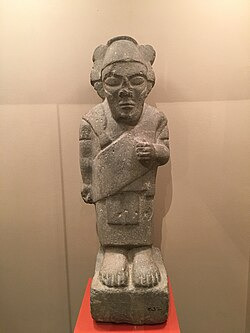
Statue of an Ammonite deified King on display at the Jordan Museum. The statue was found near the Amman Citadel and is thought to date to 8th century BC.(요르단 박물관에 있는 신격화된 암몬족왕 동상. 이 동상은 암몬성에서 발견되었으며 기원전 8세기의 것으로 추정된다)
The Ammonites occupied the northern Central Trans-Jordanian Plateau from the latter part of the second millennium BC to at least the second century AD.
암몬족은 기원전 2천년대 후반부터 적어도 기원후 2세기까지 북쪽의 중앙 요르단 고원을 점하였다. (상기 내용)
Ammon maintained its independence from the Neo-Assyrian Empire (10th to 7th centuries BC) by paying tribute to the Assyrian kings at a time when that Empire raided or conquered nearby kingdoms.[3]
암몬은 뉴앗시리아 (10c - 7c BC)가 이웃나라들을 유린하거나 정복할 때, 앗시리아왕들에게 공물을 바침으로써 독립을 유지했다.(상기 내용)
The Kurkh Monolith lists the Ammonite king Baasha ben Ruhubi's army as fighting alongside Ahab of Israel and Syrian allies against Shalmaneser III at the Battle of Qarqar in 853 BC, possibly as vassals of Hadadezer, the Aramaean king of Damascus. In 734 BC the Ammonite king Sanipu was a vassal of Tiglath-Pileser III of Assyria, and Sanipu's successor Pudu-ilu held the same position under Sennacherib (r. 705–681) and Esarhaddon (r. 681–669).[4] An Assyrian tribute-list exists from this period, showing that Ammon paid one-fifth as much tribute as Judah did.[5]
Kurkh Monolith에서는 암몬왕 Baasha ben Ruhubi 군대가 이스라엘 Ahab과 시리아 연합군과 함께 Shalmaneser III에 대항하여 BC 853년 Qarqar전투에서 싸웠다 말한다. 아마도 다마스커스의 아람왕 Hadadezer의 속국들로서 싸웠을 것이다. BC 734년 암몬왕 Sanipu는 앗시리아왕 Tiglath-Pileser III왕의 속국이었으며, Sanipu의 다음왕 Pudu-ilu왕도 앗시리아왕 Sennacherib(r 705-681 bc)과 Esarhaddon (r 681-669 bc)의 속국지위를 유지했다. 이 시기의 앗시리아 공물 리스트는 암몬왕이 유다와 같이 1/5의 공물을 냈다고 보여준다. (상기 내용)
Somewhat later, the Ammonite king Amminadab I (fl. 650 BC) was among the tributaries who suffered in the course of the great Arabian campaign of Assurbanipal.[4] Other kings attested to in contemporary sources are Barachel (attested to in several contemporary seals) and Hissalel; Hissalel reigned about 620 BC, and is mentioned in an inscription on a bronze bottle found at Tel Siran in present-day Amman, along with his son, King Amminadab II, who reigned around 600 BC.
후에, 암몬왕 Amminadab I (650 bc)는 앗시리아왕 Assurbanipal왕이 아라비아 원정을 하는 와중에 고통을 겪은 공물국중의 하나였다. 다른 암몬왕 Barachel (당시의 seal에서 나타남), Hissalel도 거론된다. Hissalel왕은 약 bc 620년경 통치했는데, 현재의 Amman에서 발견된 Tel Siran의 청동병 기록에 언급되고, 600 bc 경 재위한 그의 아들 Amminadab II도 같이 언급된다. (상기 내용)
Archaeology and history indicate that Ammon flourished during the period of the Neo-Babylonian Empire (626 to 539 BC). This contradicts the view, dominant for decades, that Transjordan was either destroyed by Nebuchadnezzar II, or suffered a rapid decline following Judah's destruction by that king. Newer evidence suggests that Ammon enjoyed continuity from the Neo-Babylonian to the Persian period of 550 to 330 BC.[6] One reason includes Ammon becoming a Babylonian province, shortly after being devastated by Nebuchadnezzar II in the 580s BC.[7]
고고학과 역사는 암몬이 신바빌로니아제국 (626-539bc)시기에 번성했다고 말한다. 이것은 수십년동안 지배해 온 견해와 대치되는데, 트랜스요르단은 Nebuchadnezzar II에 의해 파괴되거나 이 왕의 유다의 파괴에 이은 빠른 쇠약을 겼었을 것이라는 생각이었다. 새로운 증거는 암몬이 신바빌로니아부터 페르시아시기(550-330bc)까지 연속성을 가졌다 말한다. 암몬은 BC 580년 Nebuchadnezzar II에 의해 유린된 직후, 바빌로니아 지방이 된 것이 하나의 이유이다. (상기 내용)
Around 255 BC, Rabbath Amman was seized by Ptolemy II, the Macedonian Greek ruler of Egypt, who rebuilt and renamed it Philadelphia in honor of his nickname–a name change which contemporary sources mostly ignored. The city's significance grew as it became a frontier in the Syrian Wars, frequently changing hands between the Ptolemaic and the Seleucid empires. By the early second century BC, Philadelphia became part of the Nabataean Kingdom, with a large Arab Nabataean community residing in the city before and after the kingdom's rule.
기원전 255년경, Rabbath Amman은 이집트의 마케도니언 그리스 지배자 Ptolemy II에 의해 점령되었고, Ptolemy II는 그의 닉네임을 기녕하기 위해 Philadelphia라고 이름을 바꾸었다. 이 도시의 상징은, 프툴레미와 셀레우스 제국 사이를 왔다 갔다 하는 시리아전쟁의 경계에 있어, 더욱 커졌다. 초기 기원전 2세기에 필라델피아는 나바테언 왕국의 일부가 되었는데, 아랍 나바테언 집단은 나바테언 왕국 지배의 전과 후에 이 도시에 머물렀다. (상기 내용)
In accounts in the First Book of Maccabees, the Ammonites and their neighboring tribes are noted for having resisted the revival of Jewish power under Judas Maccabaeus in the period 167 to 160 BC.[4][8] The dynast Hyrcanus founded Qasr Al Abd, and was a descendant of the Seleucid Tobiad dynasty of Tobiah, whom Nehemiah mentions in the 5th century BC as an Ammonite (ii. 19) from the east-Jordanian district.
맥카비1권에서는 암몬족과 그 이웃부족들은 기원전 167-160 기간동안의 유다 맥카베우스의 유대강국의 저항했다고 기록된다. Hycanus왕조는 Qasr Al Abd를 세웠으며, Tobiah 셀레우시드 Tobias 왕조의 후손이었다. 니헤미야는 이들이 기원전 5세기의 동요르단지역의 암몬족이라 언급한다. (상기 내용)
By the Roman conquest of the Levant by Pompey in 63 BC,[9] Ammon lost its distinct identity through assimilation.[10]
However, the last notice of the Ammonites occurs in Justin Martyr's Dialogue with Trypho (§ 119), in the second century AD; Justin affirms that they were still a numerous people.[4][11]
기원전 63년 폼페이에 의해 로마가 레반트지역을 정복함으로써, 암몬은 독자성을 잃고 동화되었다. 그러나 암몬족에 대한 마지막 언급은 기원후 2세기의 Justin Marty의 대화에서 있었는데, Justin은 그들이 아직 여러 부족이었다 확인한다. (상기 내용)
(source : Ammon, wikipedia, 인용출처 :필자의 네이버 블로그(lainfos), 카테고리, 요르단)
4. 로마시대의 Amman 역사
"Roman period
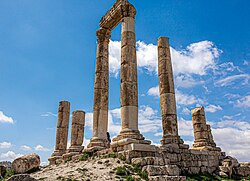
Great Temple ("Temple of Hercules") at the Amman Citadel (Jabal Al-Qalaa)
The Romans conquered much of the Levant in 63 BC, inaugurating a period of imperial rule conducted from Rome that lasted for four centuries. In the northern parts of modern-day Jordan, the Greek cities of Philadelphia (Amman), Gerasa, Gedara, Pella and Arbila joined with other cities in Palestine and southern parts of today's Syria to form the Decapolis League, a confederation based on common economic and cultural interests[35] (see also Scythopolis, Hippos, Capitolias, Canatha and Damascus). Philadelphia became a point along a road stretching from Ailah to Damascus that was built by Emperor Trajan in AD 106. This provided an economic boost for the city in a short period of time.[36]
로마인은 기원전 63년 레반트지역 대부분을 정복한 후 4세기동안 지속되었다. 현대의 요르단 북쪽지역에 그리스도시 필라델피아(Amman), Gerasa. Gedara, Pella, Arbila가 있었고, 팔레스타인의 다른 도시들과 시리아 남쪽의 Decapolis리그 (공동의 문화와 경제에 근거한 연합) (Scythopolis, Hippos, Capitaolias, Canatha, Damsacus)로 구성되어 있다. 필라델피아는 Trajan 황제가 기원후 106년 세운 Ailah에서 다마스커스에 이르는 도로의 한 지점을 이루었다. 이것이 짧은 시간안에 이 도시가 경제적으로 번성한 이유가 되었다. (상기 내용)
There are traces of Roman construction all across Jordan. In Amman the most conspicuous structures include the Great Temple (inaccurately known as the "Temple of Hercules") at the Amman Citadel, the Roman Theatre, the Odeon, and the Nymphaeum. The two theaters and the nymphaeum fountain were built during the reign of Emperor Antoninus Pius around AD 161. The theatre was the larger venue of the two and had a capacity for 6,000 attendees. It was oriented north and built into the hillside, to protect the audience from the sun. To the northeast of the theatre was a small odeon. Built at roughly the same time as the theatre, the Odeon had 500 seats and is still in use today for music concerts. Archaeologists speculate that the structure was originally covered with a wooden roof to shield the audience from the weather. The Nymphaeum is situated southwest of the Odeon and served as Philadelphia's chief fountain. The Nymphaeum is believed to have contained a 600 square meters (6,500 sq ft) pool which was 3 meters (9.8 ft) deep and was continuously refilled with water.[36]
요르단 전지역에 걸쳐 로마시대의 건축의 흔적이 있다. 암만에서 가장 뚜렷한 것은 암만성의 대신전 (헤라클레스신전이라 잘못 알려진), 로마 원형극장, 오디온, Nymphaeum등이다. 두개의 원형극장과 Nymphaeum분수는 기원후 161년경 Antoninus Plus 황제 시기에 건축되었다. 원형극장은큰 것은 6천명을 수용한다. 북쪽으로 향해 있으며, 언덕에 세워져 태양으로부터 청중들을 보호한다. 원형극자의 북동쪽에는 조그만 odeon이 있었다. 원형극장과 거의 같은 시기에 세워진 odeon은 500석을 가지고 있으며 지금도 음악콘서트에 이용된다. 고고학자들은 이 구조가 원래 목조 천장으로 덮혀 청중들을 날씨로부터 보호하였다고 추정한다. Nymphaeum은 odeon의 남서쪽에 위치하였으며, 필라델피아의 주요 수원으로 기능했다. Nymphaeum은 600 제곱미터 수영장을 가지고 있으며, 깊이는 3미터이고 계속 물로 채워졌다. (상기 내용)
Byzantine period
During the late Byzantine period in the seventh century, several bishops were based in the city; a number of church sites from the Byzantine period have been discovered there[36] - see List of Byzantine churches in Amman.
7세기 비잔틴시대발기에는 몇몇 bishops이 이 도시에 있었다. 비잔틴시대부터 많은 교회터가 발견되었다. 암만의 비잔틴 교회 목록 참조.
(source : Amman(Jordan), wikipedia, 인용출처 : 필자의 네이버 블로그(lainfos), 카테고리 , 요르단)
역시 4-5세기의 역사는 의도적으로 피한 것인지 언급이 없다.
5. Amman Citadel (암만성)

Amman citadel (source : Internet, Madain Project)
"History
Excavations undertaken since the 1920s by Italian, British, French, Spanish, and Jordanian archaeologists[8] have uncovered signs of human occupation from as far back as the Middle Bronze Age (1650–1550 BCE) in the form of a tomb that held pottery and scarab seals.[3]
1920년대부터 이태리, 영국, 스페인, 요르단 고고학자들에 의해 발굴된 바에 의하면, 인류정착의 흔적은 중기 청동기시기 (1650 - 1550 bc) 로 올라가며, 도자기와 scarab seal을 포함한 무덤의 형태에서 나타난다. (상기 내용)
During the Iron Age, the Citadel was home to the Ammonite Kingdom. Several artifacts were discovered confirming its historicity. The Amman Citadel Inscription comes from this period, and is considered to be the oldest known inscription in the Ammonite language, written in the Phoenician alphabet.[9]
철기시기에는 이 성은 암몬왕국의 중심이었다. 이러한 역사를 확인해주는 몇몇 유물이 발견되었다. 암만성의 기록은 이시기에서 나오며, 페니키아 문자로 기록된 암몬어로 된 가장 오래된 기록으로 여겨진다. (상기 내용)
From the Hellenistic period, there were not many architectural changes, but pottery provides evidence of occupation.[3] The site became Roman around 30 BCE, and eventually came under Muslim rule in 661 CE.[10] The Citadel declined in importance under Ayyubid rule in the 13th century, but a watchtower was added to the site during this period.[11]
헬레니즘시기부터, 많은 건축양식의 변화는 없지만, 도자기가 주거의 증거를 보여 준다. 이 성은 약 기원전 30년경부터 로마것이 되었고, 기원후 661년에는 결국 무슬림의 것이 되었다. 이 성은 13세기의 Ayyubid지배시기에는 그 중요성이 떨어졌지만, 이 시기에 감시탑은 이 성에 추가되었다. (상기 내용)
(source : Amman Citadel, wikipedia, 인용출처 : 필자의 네이버 블로그(lainfos), 카테고리 , 요르단)
암문성이 될 가능성이 높은 Amman citadel을 살펴 보았는데, 역사적으로 오래전부터 존재했는데, 로마가 기원전 30년경 점령한 후 이후 역사는 없이 기원후 661년 무슬림의 역사로 넘어 간다. 역시 기대할 수 없는 기록이 되고 만다.
그러나 암만 citadel 사진을 자세히 보면 고구려 시대의 성곽의 특징인 치 (keep)이 보인다. 아래 그림을 보면 더 정확히 알 수 있다. 오각형 치 또는 원형 치가 보인다. 원형 치는 특히 고구려 성곽의 특징이다.
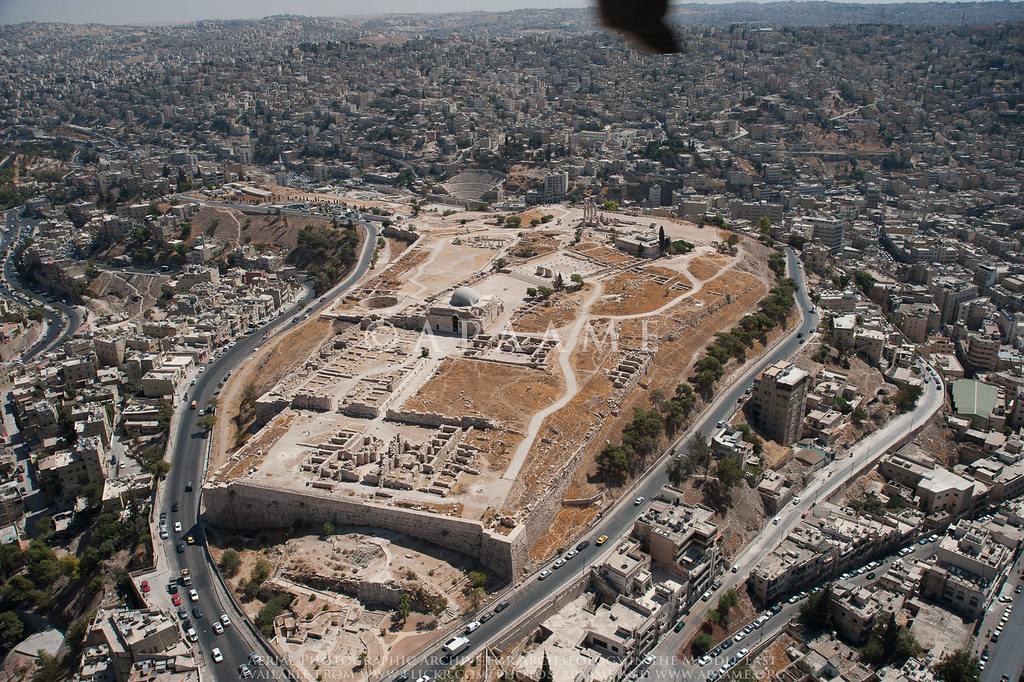
Amman Citadel (source : Internet)
아래의 원형 감시탑(watch tower)은 고구려의 그것이 아닐까 생각한다. 전형적인 고구려의 그것이다. 돌을 쌓아 만든 것도 다른 지역에서 보아온 고구려의 watch tower 형식이다.

Amonite watch tower in Amman
이런 상황을 감안할 때, Amman citadel이 암문성이 아닐까 한다.
6. Petra
페트라의 바위(巖, 바위암)에 새긴 문(門, 문문) 형상을 고려하여 이 지역까지 고구려가 진출했는지 알아 보자. 페트라 도시는 Amman (필라델피아)도시보다 훨씬 남쪽에 있다. (아래 나바테언 왕국 지도 참조)
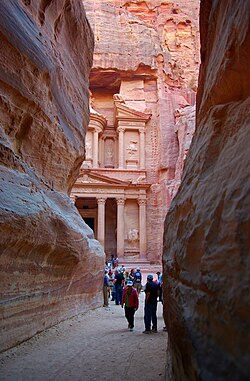
Petra, Al Kazneh (source : wikipedia)
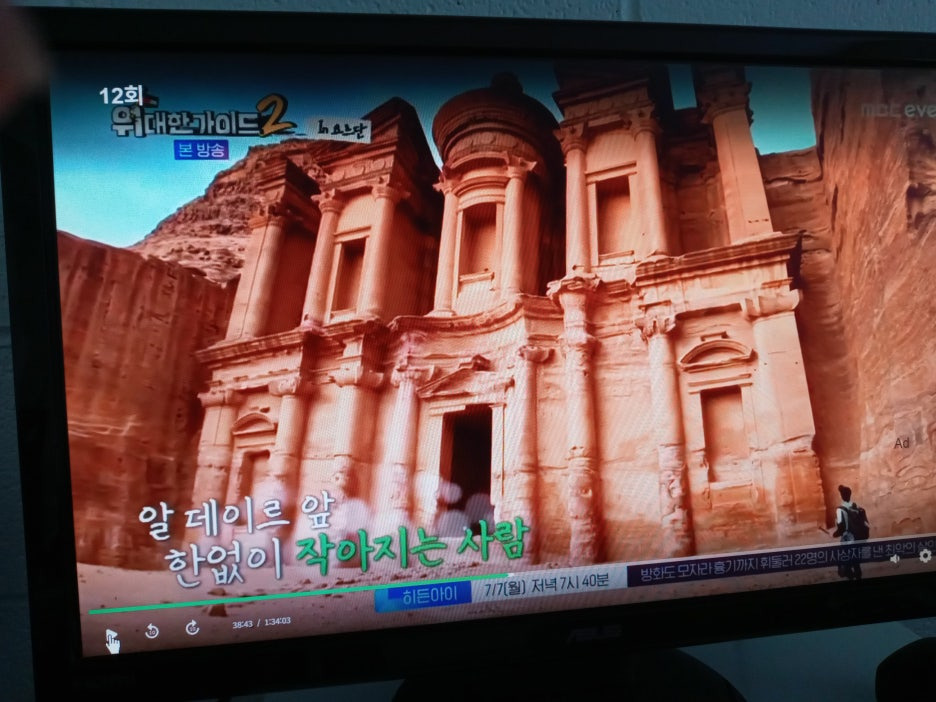
Petra Al Deir (자료 : 위대한 가이드 2 (MBC), 요르단, screenshot)
"History
Bronze Age (청동기 시기)
Petra is listed in Egyptian campaign accounts and the Amarna letters as Pel, Sela, or Seir.[15]
페트라는 이집트의 원정에 기록되어 있으며 Amarna letters에서는 Pel, Sela 또는 Seir로나타난다.
Iron Age Edom
The Iron Age lasted between 1200 and 600 BC; in that time, the Petra area was occupied by the Edomites. The configuration of mountains in Petra allowed for a reservoir of water for the Edomites. This made Petra a stopping ground for merchants, making it an outstanding area for trade. Things that were traded here included wines, olive oil, and wood.
Initially, the Edomites were accompanied by Nomads who eventually left, but the Edomites stayed and made their mark on Petra before the emergence of the Nabataens...
The Edomite site excavated at the top of the Umm el-Biyara mountain at Petra was established no earlier than the seventh century BC (Iron II).[17]
철기시대는 BC 1200-600 BC 시기인데, 이 시기 페트라는 에돔인에 의해 정착되었다. 페트라의 산맥형상으로 인해 에돔인에게 저수지를 제공했고, 이것이 상인들이 페트라에 잠시 머물게 했으며, 무역의 좋은 지점이 되었다. 교역물품은 포도주, 올리브오일, 목재 등이었다. 원래 에돔인들은 유묵민들이 함께 했는데, 유목민들이 떠난 후, 에돔인들은 페트라에 남아 나바테아인들이 오기전까지 있었다. ...페트라의 Umm el-Biyara 산정상에서 발굴된 에돔인 장소는 기원전 7세기이후인 것으로 나타났다. (상기 내용)
(source : Petra(Jordan), wikipedia, 인용출처 : 필자의 네이버 블로그(lainfos), 카테고리 , 요르단)
페트라(그리스 이름)는 이집트 원정에서도 기록되었는데, Sela로 Amarna letters에 기록되었다 한다. 산맥의 지형상 저수지가 있어 상인들의 무역거점이 되었으며, 포도주 올리브오일, 목재 등이 주요 교역품이었다 한다.
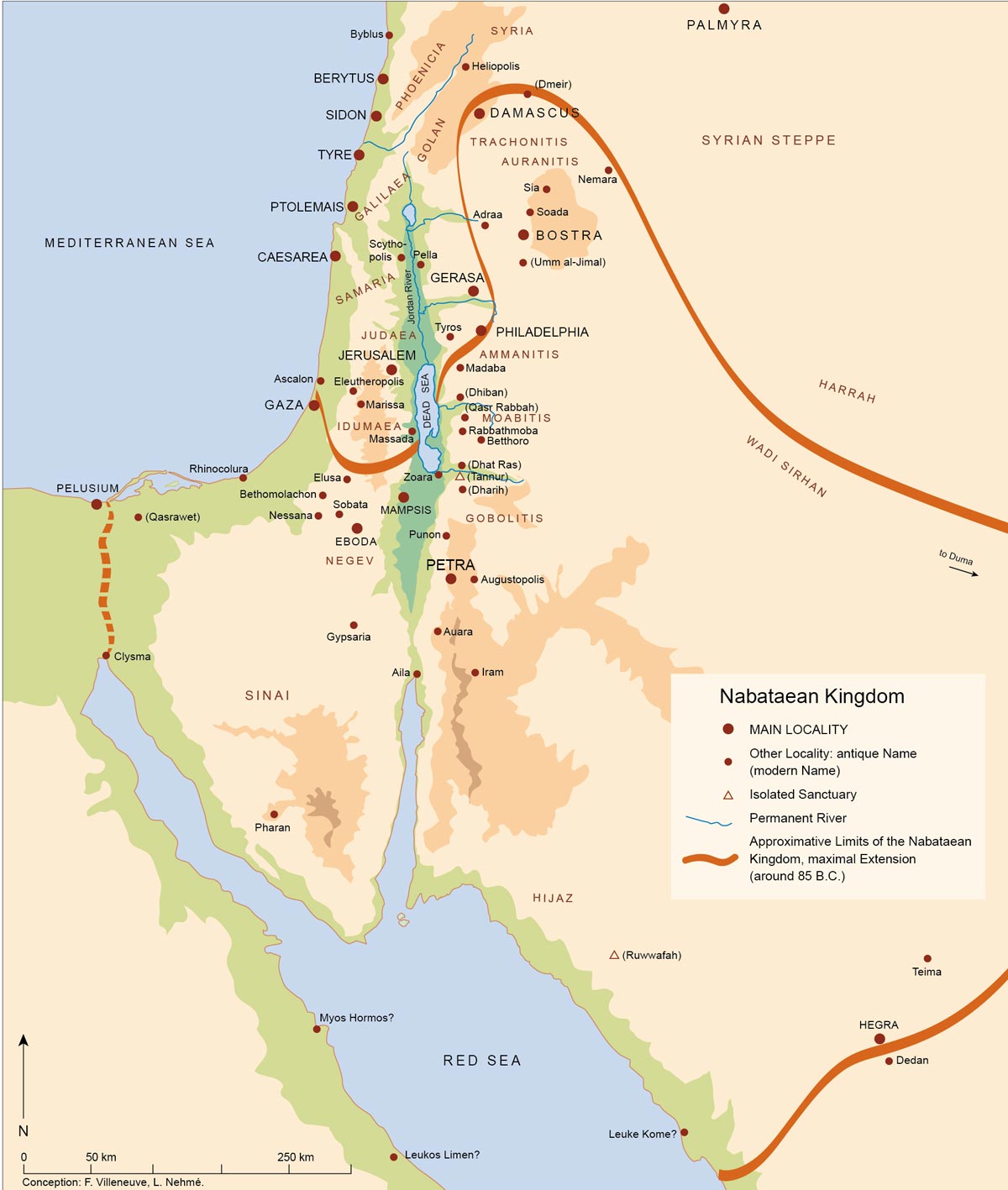
Nabatean Kingdom map (source : Wikipedia)
"Emergence of Petra
The Nabataeans were one among several nomadic Bedouin tribes that roamed the Arabian Desert and moved with their herds to wherever they could find pasture and water.[18] Although the Nabataeans were initially embedded in Aramaic culture, theories about them having Aramean roots are rejected by many modern scholars. Instead, archaeological, religious and linguistic evidence confirm that they are a northern Arabian tribe.[19] Current evidence suggests that the Nabataean name for Petra was Raqēmō, variously spelled in inscriptions as rqmw or rqm.[4]
나바테언은 아라비아사막을 다니는 베두인 유목부족의 하나였으며, 그들의 가축과 함께 물과 목초가 있는 곳을 찾아 이동했다. 나바테언은 원래 아람문화에 뿌리를 두었으나, 이러한 아람의 뿌리라는 이론은 최근의 학자들에 의해 부정된다. 대신, 고고학적 종교적 그리고 어학적 증거는 이들이 북쪽 아리비아 부족이라는 것을 확인해준다. 현재의 증거는 Petra에 대한 나바테언 명칭은 Raqemo 이며, 변형된 기록속의 철자는 rqmw or rqm이다. (상기 내용)
The Jewish historian Josephus (ca. 37–100 AD) writes that the region was inhabited by the Midianites during the time of Moses, and that they were ruled by five kings, one of whom was Rekem. Josephus mentions that the city, called Petra by the Greeks, "ranks highest in the land of the Arabs" and was still called Rekeme by all the Arabs of his time, after its royal founder (Antiquities iv. 7, 1; 4, 7).[20] The Onomasticon of Eusebius also identified Rekem as Petra.[21]
유대 역사학자 조셉(37-100ad)은 이 지역이 모세시기에 Midianites가 살던 곳이며, 그들은 다섯왕들에 의해 지배되었는데, 그 왕중의 하나가 Rekem이라 기술한다. 조셉은 그리스인들이 Petra라 부르는 도시는 아랍인땅에서 가장 좋은 곳으로 알려지며, 당시 아랍인들에 의해 Rekeme라 불리웠다. Eusebius의 Onomasticon(팔레스타인과 트랜스요르단 지역 지리사전)에서도 페트라를 Rekem이라 확인한다. (상기 내용)
Arabic raqama means "to mark, to decorate", so Rekeme could be a Nabataean word referring to the famous carved rock façades. In 1964, workmen clearing rubble away from the cliff at the entrance to the gorge found several funerary inscriptions in Nabatean script. One of them was to a certain Petraios who was born in Raqmu (Rekem) and buried in Garshu (Jerash).[22][23]
아랍어로 raqama는 표시하는 것, 장식하는 것을 의미하며, 그러므로 Rekeme는 유명한 새겨진 바위 정면을 말하는 나바테언 단어일 수 있다. 1964년에, 협곡입구를 정리하는 사람들이 나바테언어로 된 몇몇 무덤의 기록을 발견했다. 그들의 하나는 Raqmu(Rakem)에서 나서 Garshu(Jerash)에 묻힌 어느 페트라사람이었다. (상기 내용)
An old theory held that Petra might be identified with a place called sela in the Hebrew Bible. Encyclopædia Britannica (1911) states that the Semitic name of the city, if not Sela, would remain unknown. It nevertheless cautioned that sela simply means "rock" in Hebrew, and thence might not be identified with a city where it occurs in the biblical text in the book of Obadiah. It is possible that the city was part of the nation of Edom.[24]
고대이론은 히브리어 성경에서 sela라 불리운 장소가 페트라일 수 있다 했다. 브리타니카 백과사전은 이 도시의 셈족어이름은 sela가 아니면 모르는 것으로 남는다고 언급한다. 그럼에도 불구하고 sela가 히브리어로 단순히 "바위"를 의미하므로 오바댜서의 성서내용에서 일어나는 도시가 아닐 수 있다고 경고한다. 도시가 에돔나라의 일부일 수 있다. (상기 내용)
The passage in Diodorus Siculus (xix. 94–97) described the Nabataeans at the time as a nomadic group of people who believed that those who owned possessions could be easily compelled by those who held power, this would drastically change as the centuries went on. [25] This text further describes the expeditions which Antigonus sent against the Nabataeans in 312 BC, was understood by some researchers to throw some light upon the history of Petra, but the "petra" (Greek for rock) referred to as a natural fortress and place of refuge cannot be a proper name, and the description implies that there was no town in existence there at the time.[24][26]
Diodorus Siculus의 글귀에서는 당시 유목민이었던 나바테언은 재산을 가진자는 권력을 가진자에게 쉽게 강요당한다고 믿는다고 기술되었다. 이 텍스트는, 더 나아가, 나바테언에 대한 BC 312년Antigonus의 원정이 일부 연구자들에게 페트라 역사에 대한 어떤 영감을 주었다고 - 자연적 요새와 피난처로 언급된 페트라(그리스어로 바위)는 적당한 이름이 될 수 없고 이 서술은 당시에 거기에 타운이 존재하지 않았다는 것을 의미한다 - 이해되었다고 기술한다. (상기 내용)
(source : Petra(Jordan), wikipedia, 인용출처 : 필자의 네이버 블로그(lainfos), 카테고리 , 요르단)
페트라는 나바테언 명칭은 Raqemo라 하며, 아랍인들은 Raqeme라 불렀다 한다. 페트라는 그리스어로 '바위'라는 뜻이며, 아랍어로 raqama는 표시하는 것, 장식하는 것을 의미하므로, Rekeme는 유명한 새겨진 바위 정면을 말하는 나바테언 단어일 수 있다는 것을 고려하면, 이 시기 이미 지금의 페트라 신전이 있었다는 것을 짐작할 수 있다. 따라서 자연적 요새로 피난처인 신전이 있는 것이며, 사람들이 많이 거주하는 타운은 아닐 수 있다고 한다. 그 타운은 페트라의 북쪽에 있는 Amman도시가 될 수 있다.
또한 1964년 발견된 나바테언 무덤의 기록에서 언급된, Amman시의 북쪽 30마일에 있는 Jerash가 그 타운의 하나일 수 있다고 본다.
Jerash에 대해 잠시 살펴 보면, Amman시의 북쪽 30마일에 있으며, BC 7500년부터 거주의 흔적이 있는 고대의 흔적이 풍부한 아시아의 폼페이라 불리는 도시이다. 과거에는 Antioch on the Golden river 또는 Antioch on the Chrysorrhoas 라 불렸다 한다. (아래 내용 참조)
"Jerash (Arabic: جرش, romanized: Ǧaraš, Arabic pronunciation: [dʒa.raʃ]; Greek: Γέρασα, romanized: Gérasa, Attic Greek pronunciation: [ɡérasa], Koine Greek pronunciation: [ˈɡerasa]) is a city in northern Jordan. The city is the administrative center of the Jerash Governorate, and has a population of 50,745 as of 2015. It is located 30.0 miles (48.3 kms) north of the capital city Amman.
Jerash는 요르단 북쪽에 있는 도시이다. ...수도인 Amman도시의 북쪽 30마일에 위치한다.
The earliest evidence of settlement in Jerash is in a Neolithic site known as Tal Abu Sowan, where rare human remains dating to around 7500 BC were uncovered.[2] Jerash flourished during the Greek, Hellenistic, Roman, and Byzantine periods, when it was known as Gerasa. It was one of the cities of the Hellenistic cities of the Decapolis.[3] It was an important city in early Christian times and its early churches, some of which were formerly temples, include notable examples of the evolution of church architecture.[3]
가장 오래된 주거 흔적은 신석기시대의 Tal Abu Sowan장소로서 기원전 7500년경의 인골이 발견되었다. Jerash는 당시에는 Gerasa로 알려졌으며, 그리스시기, 헬레니즘 시기, 로마 시기, 비잔틴 시기에 모두 번성했다. 이 도시는 헬레니즘 시기의 Decapolis도시 중의 하나이다. 초기 기독교 시기에 중요한 도시로서 많은 교회가 있었는데, 이들은 이전의 신전들이 교회의 건축물로 되었다. (상기 내용)
........
Jerash is the site of the ruins of the Greek city of Gerasa, also referred to as Antioch on the Golden River.[20][2] Ancient Greek inscriptions from the city support that the city was founded by Alexander the Great and his general Perdiccas, who allegedly settled aged Macedonian soldiers there during the spring of 331 BC, when he left Egypt and crossed Syria en route to Mesopotamia. However, other sources, namely the city's former name of "Antioch on the Chrysorrhoas," point to a founding by Seleucid King Antioch IV, while still others attribute the founding to Ptolemy II of Egypt.[21]
Jerash는 Gerasa 그리스 도시로서, Golden river의 안티오크라 언급되기도 한다. 이 도시의 고대 그리스 비문기록은 이 도시가 알렉산더대왕과 그의 장군 Perdiccas가 세운 도시라 한다. 알렉산더와 Perdiccas는 BC 331년의 마케도니아 병사로서 여기에 거주했는데, 이집트를 떠나 메소포타미아로 가는 길에 시리아를 거쳤다. 그러나 다른 자료는 이 도시의 이전 이름이 Antioch on the Chrysorrhoas라 했으며, 이는 셀레우시드 왕 Antioch IV에 의해 세워진 것을 가리킽다 한다. 반면 다른 이들은 이집트의 Ptolemy II왕이 세웠다고 말한다. (상기 내용)
(source ; Jerash (Gerasa), wikipedia, 인용출처 : 필자의 네이버 블로그(lainfos), 카테고리, 요르단)
즉 Jerash도시도 역사가 오래된 도시로서 Amman시와 함께 충분히 고대 정복자들의 관심의 대상이 된 도시로 판단된다. Jerash는 광개토태왕의 정복 성중의 하나인 어리성 또는 야리성일 지도 모른다. 어리성은 광개토태왕비문의 수묘인 성 중의 하나이기도 하다. 아래 자료에서처럼 Jerash가 성벽 안 면적이 80ha에 달했다고 하는 것은 하나의 도시가 성안에 있다는 것을 의미한다.
The city finally reached a size of about 80 ha (200 acres) within its walls.[28]
(source : Jerash, wikipedia)

City walls of Jerash (source : Alamy)
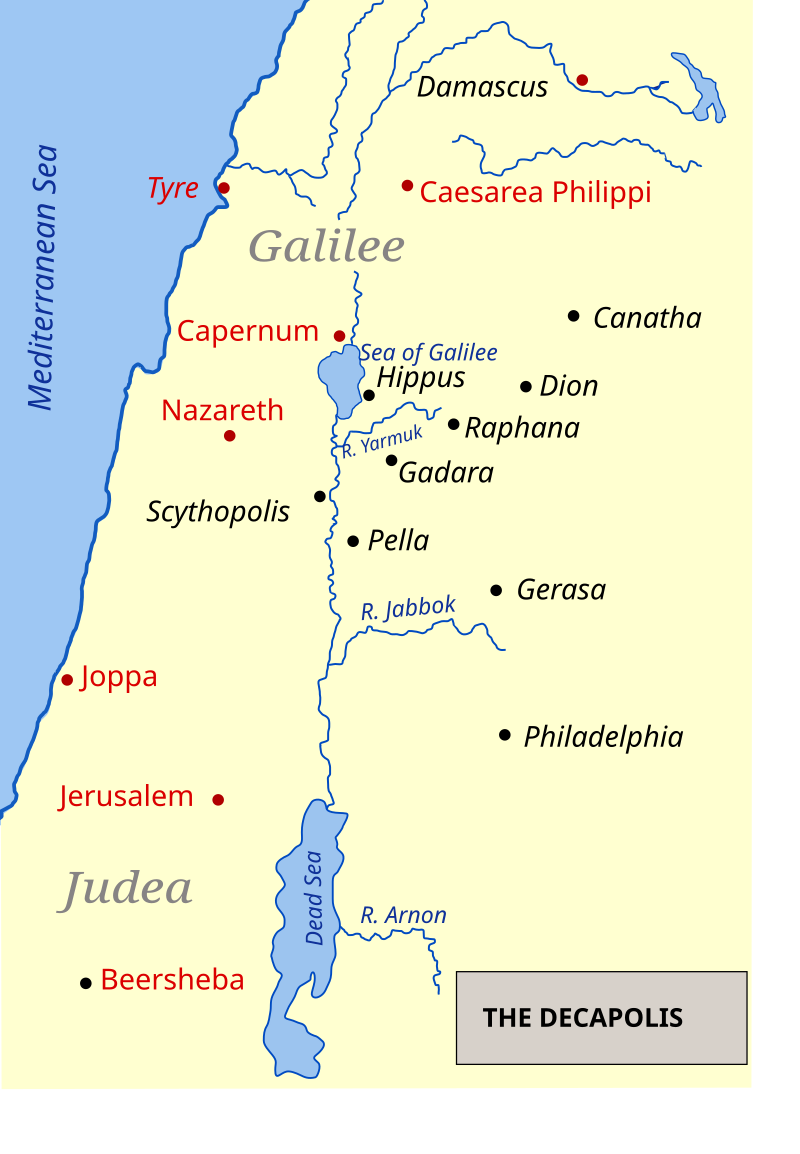
Map of Decapolis including Philadelphia(=Amman), Gerasa (=Jerash), Scythopolis (source : Wikipedia)
Jerash가 수묘인 성의 어리성이라면 주위지역에 선조의 역사가 있어야 하는데, 주위에 스키타인과 관련 도시인 Scythoplis 도시가 있다. (상기 지도 참조) 그리고 페트라를 위시한 나바테어 왕국은 스키타인 왕국으로 판단된다. (이는 후일 별도의 글로 작성예정).
"Roman period

General view
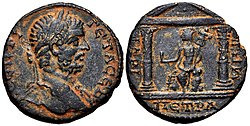
Roman bronze coin of Geta showing the Petra temple with statue of Tyche
In 106, when Aulus Cornelius Palma Frontonianus was governor of Roman Syria, the part of the Arabian Peninsula under the rule of Petra was absorbed into the Roman Empire as part of Arabia Petraea, and Petra became its capital.[27] The native dynasty came to an end but the city continued to flourish under Roman rule. It was around this time that the Petra Roman Road was built. A century later, in the time of Severus Alexander, when the city was at the height of its splendor, the issue of coinage came to an end. There was no more building of sumptuous tombs, owing apparently to some sudden catastrophe, such as an invasion by the Sasanian Empire.[24]
Aulus Cornelius Palma Frontonianus 가 로마 시리아의 통치자일때, 106년에 페트라의 지배하에 있던 아라비아반도의 일부가 로마제국의 아리비아 페트라의 일부로 흡수되었고 페트라는 그 수도였다. 원주민왕조는 끝이 났으나 도시는 로마지배하에서 계속 번성했다.이 시기쯤에 페트라 로마 길이 건설되었다. 백년후 Severus Alexander (재위 AD 222-235)황제 시기에 이 도시는 영광의 정점에 도달하였고, 동전의 발행은 끝났다. 사사니언 페르시아제국의 침입 같은 갑작스러운 재앙으로 인하여, 더 이상의 호화로운 무덤은 세워지지 않았다. (상기 내용)
(source : Petra(Jordan), wikipedia, 인용출처 : 필자의 네이버 블로그(lainfos), 카테고리 , 요르단)
페트라 지역의 로마제국 흡수는 AD 106년에 이루어졌다. (상기 내용 참조) 그러나 그 형식과 방법은 알려지지 않았다 한다 (아래 내용 참조). 아마도 격렬한 전투후에 평화조약을 맺어 속국으로 인정하고 계속 번영을 이룬 것이 아닌가 한다. 로마제국이 압도적인 군사력으로 정복했다면 페트라는 피폐하고 주민들은 노예로 팔려 갔을 것인데, 그렇지 않은 형상을 보인다. 심지어 종교적 중심지 역할을 계속했다고 하는 것은 (아래 자료 참조) 어느 정도 자치를 인정한 것으로 보인다. 역사자료도 이를 말하고 있다.
"Annexation of Nabataea (by Roman Empire) (로마제국의 나바테아 합병)
In 106, Rabbel II Soter, one of Rome's client kings, died. This event might have prompted the annexation of the Nabataean kingdom, but the manner and the formal reasons for the annexation are unclear. Some epigraphic evidence suggests a military operation, with forces from Syria and Egypt.
106년에 로마의 속국왕의 하나인 Rabbel II Soter가 죽었다. 이 사건은 나바테언왕국의 합병을 가속화시켰을 것이나, 합병의 방법이나 외형적 이유는 불확실하다. 몇몇 비문의 증거는 시리아와 이집트의 병력과 함께 군사적 활동을 제시합니다. (상기 내용)
What is known is that by 107, Roman legions were stationed in the area around Petra and Bosrah, as is shown by a papyrus found in Egypt. The furthest south the Romans occupied (or, better, garrisoned, adopting a policy of having garrisons at key points in the desert)[148] was Hegra, over 300 kilometres (190 mi) south-west of Petra.[149] The empire gained what became the province of Arabia Petraea (modern southern Jordan and north west Saudi Arabia).[150] At this time, a Roman road (Via Traiana Nova) was built from Aila (now Aqaba) in Limes Arabicus to Bosrah.[151] As Nabataea was the last client kingdom in Asia west of the Euphrates, the annexation meant that the entire Roman East had been provincialized, completing a trend towards direct rule that had begun under the Flavians.[148]
107년까지 알려진 바에 의하면, 이집트에서 발견된 파피루스에서 나타난 바와 같이, 로마군단이 페트라와 Bosrah 지역 주위에 머물렀다 한다. 로마군단이 머물렀던 가장 남쪽지점은 Hegra로서, 페트라의 남서쪽 300km지점이다. 로마제국은 아라비아 페트라에 지방 (현재의 남부요르단과 북서쪽 사우디아라비아)을 획득했다. 이 시기에 로마 길 (Via Traiana Nova)이 Aila(현재의 Aqabq)에서 Bosrah까지 건설되었다. 나바테아가 유프라테스강 서쪽 아시아에서 마지막 속국이었기 때문에, 이 합병은 전 동로마가 지방행정기구화했다는 의미이며, Flavians왕조에서 시작한 직접 통치의 완결을 이루었다. (상기 내용)
(자료 : Trajan (r 98-117), wikipedia, 인용출처 : 필자의 네이버 블로그(lainfos), 카테고리, 로마제국(bc 27- 235 ad))
"Meanwhile, as Palmyra (fl. 130–270) grew in importance and attracted the pre-Islamic Arab trade away from Petra, the latter declined. It appears, however, to have lingered on as a religious center. Another Roman road was constructed at the site. Epiphanius of Salamis (c.315–403) writes that in his time a feast was held there on December 25 in honor of the virgin Khaabou and her offspring Dushara.[24] Dushara and al-Uzza were two of the principal deities of the city, which otherwise included many idols from other Nabataean deities such as Allat and Manat.[28]
팔미라왕국(130-270)의 중요성이 점점 커져, 이슬람이전 아랍무역을 유인함으로, 페트라는 쇠퇴해갔다. 그러나 종교적 중심지 역할은 계속된 것으로 보인다. 다른 로마 길이 이 장소에 건설되었다. Salamis의 Epiphanius (생몰 315-403)는 그의 시기에 동정녀 Khaabou를 기념하고 Dushara신에게 봉헌하기 위해 12월 25일에 축제가 페트라에서 열렸다고 기술하고 있다. Dushara와 al-Uzza는 페트라도시의 주요 신들이었으며, 페트라는 Allat와 Manat와 같은 다른 나바테언 신들도 숭배하고 있었다. (상 기 내용)
Between 111 and 114, Trajan built the Via Traiana Nova, running from the Syrian border to the Red Sea through Petra. This road followed the old routes of Nabataean caravans. In the shadow of the Pax Romana, this route revived trade between Arabia, Syria, and Mediterranean harbors. In 125 AD, one of Emperor Hadrian's administrators left marks[dubious – discuss] in Petra, pointed out by documents found at the Dead Sea. In 130, Hadrian visited the former Nabataean capital, giving it the name of Hadriānī Petra Metropolis, imprinted on his coins. His visit, however, did not lead to any boom in development and new buildings as it did in Jerash. The province's governor, Sextius Florentinus, erected a monumental mausoleum for his son near the end of the al-Hubta (King's Wall) tombs, which had been generally reserved during the Nabataean period for the royal family.
111-114년 기간에 Trajan황제는 시리아국경에서 페트라를 지나 홍해까지의 Via Traiana Nova 길을 건설했다. 이 도로는 나바테언 카라반의 과거로부터의 루트를 따라갔다. 이 도로는 아라비아와 시리아 그리고 지중해 항구사이의 무역을 촉진했다. 125년에는 Hadrian 황제의 관리자 중의 한사람이 페트라에 자취를 남겼다. 이는 사해에서 발견된 문서에 의해 지적되었다. 130년에는 Hadrian은 나바테언 전 수도를 방문하여 Hadriani Petra Metropolis라는 이름을 주었고, 그의 동전에 이 이름을 새겼다. 그러나 그의 방문은 Jerash에서 하듯이 새로운 빌딩을 건축하는 식의 붐으로 이어지지 않았다. 지방 통치자 Sextius Florentinus는 그의 아들을 위한 기념비적 묘를 al-Hubta (King's Wall) 무덤 끝자락 가까이에 세웠는데, al-Hubta무덤은 보통 나바테언 시기 왕족을 위해 예비된 장소이다. (상기 내용)
Roman emperors' interest in the city in the 3rd century suggests that Petra and its environs remained highly esteemed for a long time. An inscription to Liber Pater, a god revered by Emperor Septimius Severus, was found in the temenos of the temple known as Qasr al-Bint, and Nabataean tombs contained silver coins with the emperor's portrait as well as pottery from his reign. Emperor Elagabalus declared Petra to be a Roman colony, when he reorganized the Roman Empire towards the end of the 3rd century.[29] The area from Petra to Wadi Mujib, the Negev, and the Sinai Peninsula were annexed into the province of Palaestina Salutaris. The Madaba Map from the reign of Emperor Justinian I is missing the section that would include Petra.
3세기에 페트라 도시에 대한 로마황제의 관심은 페트라와 그의 주변이 오랫동안 높이 평가되었다는 것을 의미한다. Septimius Severus황제가 숭배한 Liber Pater신 기록물이 Qasr al-Bint라 알려진 temenos신전에서 발견되었고, 나바테언 무덤은 황제 통치당시의 도자기와 황제 초상이 있는 은화를 포함하고 있었다. Alagabalus황제는 3세기말에 로마제국을 재조직할 때, 페트라를 로마 식민지라 선언했다. 페트라에서 Wadi Mujib, Negev, 시나이반도에 이르는 지역은 Palestina Salutaris 지방에 병합되었다. Justinian I황제시기의 Madaba 지도는 페트라를 포함한 부분을 빠트렸다. (상기 내용)
(source : Petra(Jordan), wikipedia, 인용출처 : 필자의 네이버 블로그(lainfos), 카테고리 , 요르단)
그리고 비잔틴제국의 Justinian I 황제(백제의 성왕으로 추정) 시기의 Madaba지도에서 페트라를 포함한 지역이 제외되었다는 상기의 글은 고구려의 광개토태왕 시기에 이 페트라지역까지 진출하지 않았나 하는 의구심을 가지게 한다. 이는 아래의 로마제국 지방 통치자의 리스트에서 이시기에 불확실한 내용을 보이는 것과 일치한다.

Nabatean Trade Routes (source : Wikipedia)
나바테언 왕국이 해상 무역을 많이 했다는 것은 이들이 유목민족이면서도 해양민족이라는 것을 말해 준다. 그리스 문명을 동쪽 아시아에 전하는 헬리니즘 시대의 활동과도 유사하다. 그리스는 스키타인이라고 어느 서양 사가는 말한다. 아테네를 지키는 여신 등 많은 여신이 있는 것도 나바테언들의 여신들과 유사하다. 한반도에서 나오는 금관의 왕관도 스키타이 문화라고 서양학자는 언급한다. 스코틀랜드까지 진출한 스키타인은 해양민족임이 틀림없다. 아직도 정체가 확실하게 밝혀지지 않은 지중해의 Sea peoples이 이들일지도 모른다. 필자는 아일랜드의 Gangani부족도 해양민족인 스키타인이 아닐까 한다. 인도 동부의 갠지스강 벵갈지역의 Gangaridai부족은 알렉산더 원정대를 이겼는데, 이들 역시 스키타인들과 연관된 것이 아닌가 한다. 필자는 Sindh지방의 사카스탄지역의 스키타인이 서부로 진출한 역사를 밝혀 왔다. 알렉산더 대왕을 화살로 쏘아 거의 죽게 만들었던 인도 서부 펀잡지방의 Mallian 부족(Jats 부족)은 아직도 자신들이 아리안족의 후예가 아닌 인도사카의 후예라 주장한다.
"Byzantine period
Petra declined rapidly under Roman rule, in large part from the revision of sea-based trade routes. In 363, an earthquake destroyed many buildings and crippled the vital water management system.[30] The old city of Petra was the capital of the Byzantine province of Palaestina III and many churches from the Byzantine period were excavated in and around Petra. In one of them, the Byzantine Church, 140 papyri were discovered, which contained mainly contracts dated from 530s to 590s, establishing that the city was still flourishing in the 6th century.[31] The Byzantine Church is a prime example of monumental architecture in Byzantine Petra.
페트라는 로마지배하에 급격히 쇠퇴했는데, 이는 해양위주의 무역루트의 변경때문이다. 363년 지진은 많은 건물들을 파괴했고 증요한 물관리시스템을 파괴했다. 페트라 고대 도시는 비잔틴 Palestina III지방의 수도였으며, 많은 비잔틴시기 (530s-590s) 교회들이 이 지역에서 발견되었다. 이 6세기 시기에 페트라는 아직 번성하였으며, 비잔틴 시기 교회가 비잔틴 페트라의 기념비적인 건축물이 되었다. (상기 내용)
(source : Petra(Jordan), wikipedia, 인용출처 : 필자의 네이버 블로그(lainfos), 카테고리 , 요르단)
이러한 상황을 고려할 때, 페트라가 암문성의 실체인지는 잘 모르겠으나, 이 주위의 Jerash, Amman citadel 등을 고려할 때, 스키타인이 활동한 지역으로 판단할 수 있으며, 고구려의 광개토태왕이 이 지역까지 진출한 것으로 판단할 수 있다. 그러므로 암문성을 음가차환으로 판단할 경우에는 Amman citadel이 암문성으로 유력하고, 그러나 바위 문이라는 그 뜻을 고려하면 페트라도 암문성일 수 있다는 판단이다.
7. 로마시기의 관리자 파견 역사
로마시기의 지방 통치자의 파견은 Hadrian황제이후로 직접통치로 바뀌면서 더욱 강화되었는데, 3세기의 혼란기를 지난후에는 더욱 그 추세가 강화되었다. 따라서 4세기-5세기의 이들 임명 상황을 보면 그 당시의 로마의 지배지역을 좀더 확실히 알 수 있다고 본다. 반면 역으로 로마제국의 지방관 임명이 없거나 불확실하다면, 그 지역을 빼앗겼다고 판단할 수도 있다. 우리는 위에서 로마제국 시기의 4-5세기 역사가 제대로 밝혀지지 않은 이 레반트지역의 역사를, 로마제국의 레반트지역 지방관의 임명 여부로 고구려의 광개토태왕이 진출하였는지를 간접적으로 알 수 있다고 판단한다. 그래서 아래에서 이 지역의 지방관 임명을 살펴 보고자 한다. 이는 시리아에 진출한 훈족의 시기에 왜 시리아를 세 지역으로 나누었는지 짐작할 수 있게 한다.
1) List of Comites Orientis
Original dioceses of the Roman Empire, created by emperor Diocletian (284–305).
- Quintus Flavius Maesius Egnatius Lollianus (330–336)
- Felicianus (335–?)
- Nebridius (354–358)
- Domitius Modestus (358–362)
- Iulianus (362–363)
- Aradius Rufinus (363–364)
- Eutolmius Tatianus (c. 370)
- Tuscianus (381)
- Philagrius (382)
- Proculus (383–384)
- Icarius (c. 384)
- Irenaeus (431–435)
- Ephraim of Amida (c. 522–c. 525)
- Asterius (587–588)
- Bacchus (588–589)
- Bonosus (c. 609–610)
(source : Diocese of the East, wikipedia, 인용출처 : 필자의 네이버 블로그(lainfos), 카테고리, 아나톨리아)
위에서 Diocese of the East의 지방관 리스트를 보면, 384년이후 430년까지 공백으로 되어 있다. 이 시기가 고구려 광개토태왕의 시기이다. 또한 436년부터 522년까지 공백인데, 이시기가 고구려의 장수왕, 문자왕 시기이다. 526년부터 586년까지는 고구려의 안장왕시기부터 평원왕 시기이다. 모두 고구려의 팽창시기이다. 따라서 적어도 광개토태왕 시기의 고구려 활동이 이 지역에 미쳤음을 간접적으로 확인할 수 있다고 본다.
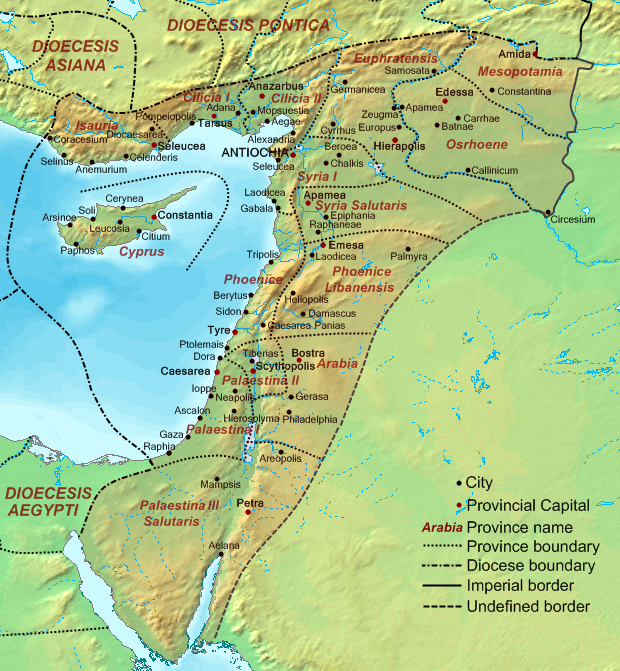
Diocese of the East, AD 400 (source : Wikipedia)
During the course of the 4th century, several provinces were split, resulting in the new provinces of Cilicia I and Cilicia II, Syria I and Syria II Salutaris, Phoenice I and Phoenice II Libanensis (east of Mt. Lebanon), Palaestina I, Palaestina II and Palaestina Salutaris (or Palaestina III).
(source : Diocese of the East, wikipedia, 인용출처 : 필자의 네이버 블로그(lainfos), 카테고리, 아나톨리아)
2) Consularis Governors of Syria Coele (c. 295 AD to c. 415 AD)
|
Date
|
Governor
|
|
Between 293 and 305
|
Latinius Primosus
|
|
305
|
Verinus
|
|
? 323
|
Dyscolius
|
|
After 324
|
Arrius Maximus
|
|
Between 324 and 337
|
Plutarchus
|
|
Between 329 and 335
|
Fl. Dionysius[8]
|
|
338
|
Nonnus[9]
|
|
388
|
Eustathius[10]
|
|
347
|
Theodorus
|
|
348
|
Fl. Antonius Hierocles
|
|
349
|
Anatolius
|
|
Before 353
|
Honoratus
|
|
354
|
Theophilus
|
|
355
|
Dionysius
|
|
355 – 356
|
Gymnasius
|
|
358
|
Nicentius
|
|
358 – 359
|
Sabinus
|
|
360
|
Tryphonianus
|
|
360
|
Italicianus
|
|
361
|
Siderius
|
|
363
|
Alexander
|
|
363 – 364
|
Celsus
|
|
364
|
Marcianus
|
|
Between 364 and 380
|
Protasius
|
|
Between 364 and 380
|
Protasius[11]
|
|
Between 365 and 368
|
Festus
|
|
Between 365 and 371
|
Aetherius
|
|
Between 370 and 374
|
Fl. Eutolmius Tatianus
|
|
c. 379/80
|
Carterius
|
|
Before 381
|
Domnicus
|
|
c. 382
|
Marcellinus
|
|
c. 382/3
|
Pelagius
|
|
Between 382 and 393
|
Timocrates
|
|
c. 384/5
|
Eumolpius
|
|
386
|
Tisamenus
|
|
387
|
Celsus
|
|
388
|
Lucianus
|
|
388
|
Eustathius
|
|
389
|
Eutropius
|
|
c. 389/90
|
Palladius
|
|
390
|
Infantius
|
|
Before 392
|
Capitolinus
|
|
Before 392
|
Iullus
|
|
? 392/3
|
Florentius
|
|
Before 393/4
|
Severus
|
좀더 구체적으로 Governor of Syria-Coele (아래 지도 참조) 임명시기를 상기 표에서 보면, 393/394 (415년)시기에 멈추었다. 바로 정확히 광개토태왕의 진출 시기이다. 즉 395년 Alaric I의 Constantinople 공격과 395년 훈족의 카파도키아, 시리아 공격, Antioch 포위가 그것이다.
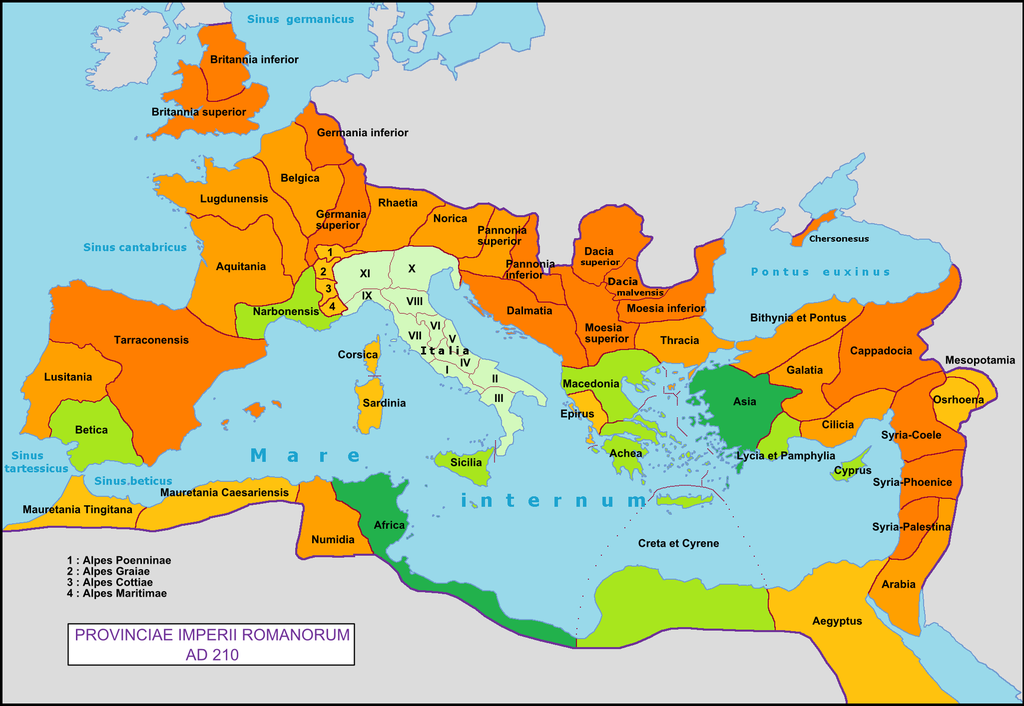
Roman Empire with provines, 210 AD (source : Wikipedia)
3) Consularis Governors of Syria Phoenicia (c. 295 AD to c. 395 AD)
|
Date
|
Governor
|
|
Between 293 and 305
|
Aelius Statuus
|
|
Between 293 and 303
|
Sossianus Hierocles
|
|
Before 305
|
Julius Julianus
|
|
? Between 309/313
|
Maximus
|
|
c. 323
|
Achillius
|
|
328 – 329
|
Fl. Dionysius
|
|
335
|
Archelaus
|
|
c. 337
|
Nonnus
|
|
342
|
Marcellinus
|
|
353/4
|
Apollinaris
|
|
Before 358
|
Demetrius
|
|
358 – 359
|
Nicentius[12]
|
|
(?) 359/60
|
Euchrostius
|
|
Before 360
|
Julianus
|
|
360 – 361
|
Andronicus
|
|
Before 361
|
Aelius Claudius Dulcitius
|
|
361
|
Anatolius
|
|
c. 361/2
|
Polycles
|
|
362
|
Julianus
|
|
362 – 363
|
Gaianus
|
|
363 – 364
|
Marius
|
|
364
|
Ulpianus
|
|
364 – 365
|
Domninus
|
|
372
|
Leontius
|
|
380
|
Petrus
|
|
382 – 383
|
Proculus
|
|
Before 388
|
Eustathius
|
|
388
|
Antherius
|
|
388
|
Epiphanius
|
|
390
|
Domitius
|
|
391
|
Severianus
|
|
392
|
Leontius
|
(source : List of Roman governors of Syria, wikipedia)
Syria Coele지역의 바로 아래인 Syria Phoenicia 지역(상기 지도 참조)에 대한 Governor of Syria Phoenicia 임명도 395년 중단되는데, 같은 시기의 광개토태왕의 활동 시기이다.
4) List of Governors of the Arabia Petraea
"This is a list of known governors of the Arabia Petraea. Created in AD 106 following its annexation by the Roman emperor Trajan, it was governed by a senatorial legate until 262, when Gallienus transferred the governorship to equestrian Praesides. It returned to Senatorial appointees with the sole rule of Constantine I after 324, which continued until the province was lost in the 630s."
Senatorial Praesides Arabiae (324–630)
- Flavius Antonius Hierocles (c. 343–344)[12]
- Theodorus (346)
- Flavius Archelaus (c. 349–350)
- Andronicus (c. 356–357)
- Maximus (357–358)
- Belaeus (362–363)
- Ulpianus (364)
- Malchus (between 365 and 399)
- Flavius Bonus (392)
- Sabinianus (?– fourth or fifth century)
- Flavius Philocalus (?– fifth century)
- Flavius Arcadius Alexander (487)
- Hesychius (490)
- Flavius Elias (? – late fifth or early sixth century)
(source : List of Governors of the Arabia Petraea, wikipedia, 인용출처 : 본 블로그, 카테고리, 요르단)
페트라 주위지역을 포괄적으로 포함한 Arabia Petraea지역을 담당하는 Governors of the Arabia Petraea 임명도 392년 이후 487년까지 불확실하여 혼돈의 시기를 잘 나타내고 있다.
Arabia Petraea의 수도가 Petra (first), Bostra (last)인 점을 고려하면, 적어도 Bostra(Bosra)지역까지 공격 받았다 추정 가능하며, 이시기의 광개토태왕의 활동을 나타내는 것이 아닌가 한다.
8. 훈족, 고트족, Heruli 등의 레반트 근처지역 진출 역사
우리는 레반트지역의 역사를 위에서 살펴 보았지만, 4-5세기 역사에 대해서는 거의 언급이 없는 서양사를 보았다. 그러나 이 지역 주위에 진출한 다른 자료를 보면, 레반트지역에 고구려의 광개토태왕이 진출할 수 있다는 것을 짐작할 수 있다.
1) Heruli
아래 위키피디아 자료를 보면, 고트족과 그의 연합세력들을 3세기의 로마의 저자들은 스키타인으로 언급했다. 그리고 Heruli족도 고트족과 같은 부족이라 했다. 더 나아가 Gepids, Vandals, Rugii, Sciri, Alans 족 모두 고트족계열(=Gothic peoples)이라 했다.
"When first mentioned by Roman authors in the 3rd century AD, the "Elouri" were referred to as "Scythians", as were the Goths and other allied tribes.[1] The use of this term for Heruli and Goths probably began as early as Dexippus, most of whose work is now lost.[2] The use of this term does not give us any clear linguistic classification.[3]
In late antiquity, the Gepids, Vandals, Rugii, Sciri, the non-Germanic Alans, and not only the Goths themselves, were all classified by Roman ethnographers as "Gothic" (or "Getic") peoples, and modern historians generally consider the Heruli to be one of these.[4] "
(source : Heruli, wikipedia, 인용출처 : 필자의 네이버 블로그(lainfos), 카테고리, Heruli/Geats)
고트족의 일원인 Heruli족에 의해 포위된 도시들 이름이 아래에 열거되어 있다. 즉 이 지역에 진출한 것을 말한다. 일부 도시는 광개토태왕이라 추정되는 고트족의 Alaric I 왕이 진출한 지역으로 겹친다. 즉 광개토태왕이 터어키, 그리스지역을 활발히 진출했다는 것을 의미한다. 이는 이 지역과 가까이 있는 레반트지역에의 진출 가능성을 말해 준다고 하겠다. 즉 암문성은 요르단에 있는 지역으로 추정이 충분히 가능하다는 것이다.
"Places sacked by the Heruli
- Argos (Alarici I)
- Athens (Alaric I)
- Byzantium (Constantinople, Alaric I, 395)
- Corinth (Alaric I)
- Chrysopolis (Uskudar, Turkey)
- Heraclea Pontica (Turkey)
- Lemnos
- Olympia
- Skyros
- Sparta (Alaric I)
(source : Heruli, wikipedia, 인용출처 : 필자의 네이버 블로그(lainfos), 카테고리, Heruli/Geats)
* Thessaly (Visgoths, late 4c)
* Peloponnese (Alaric I)
2) Goths
고트족에 대한 위키피디아 자료는 395년 광개토태왕으로 추정되는 Alaric I왕이 콘스탄티노플을 침략했다고 기술한다. 이는 아래 훈족의 활동과도 일치하는 것으로 훈족과 고트족이 동일한 것을 의미한다.
395 : Alaric I invaded Constantinople (Byzantium) with Alemanni, Sarmatians
"In the same year 395 Visigoths under the command of Alaric I have again raised revolt and together with joined to them Alemanni, Sarmatians, colonists and slaves have invaded Thrace (separate detachments of rebels reached walls of Constantinople, but then all mass of rebels has gone to Greece)."
(source : History of Constantinople, wikipedia, 인용출처: 본 블로그, 카테고리, 튀르키예)
3) Huns
훈족에 대한 위키피디아자료는 395년 훈족이 트라키아, 아르메니아, 카파도키아, 시리아, 안티오크를 거쳐 유프라테스지역으로 진출했다고 한다. 즉 상기 고트족의 기록과 일치하면서, 보다 많은 지역을 진출한 것으로 기록한다. 즉 광개토태왕 비문의 암문성 기록이 광개토태왕의 이 레반트지역 진출을 말해 준다.
"In 395 the Huns began their first large-scale attack on the Eastern Roman Empire.[62] Huns attacked in Thrace, overran Armenia, and pillaged Cappadocia. They entered parts of Syria, threatened Antioch, and passed through the province of Euphratesia.[63]
(source : Huns, wikipedia, 인용출처 : 본 블로그, 카테고리, Huns)
9. 레반트지역의 고구려성 가능성
그러면 레반트지역의 성곽 모습에서 고구려성의 모습을 볼 수 있을까? 여러 제국이 기원전부터 번갈아 지배한 레반트지역인 만큼 한 시대의 성곽 모습이 남아 있기는 힘들다고 판단한다. 그러나 그중에서도 아래와 같은 모습은 고구려의 이 지역 진출 가능성을 보인다고 하겠다.
1) Sahyun Castle in Syria
먼저 시리아에 있는 Sahyun castle에 대해서 살펴 보자. 이 성은 Krak des Chevaliers라는 소위 Crusader castle옆에 있는 성이다. 이름이 Sahyun인데 사현으로 읽힌다. 즉 한민족과 관련된 성이름이 아닐까 짐작한다. 그런데 성 모습이 전형적인 고구려성의 원형 치가 있다. (아래 그림 참조). 위키자료는 적어도 10세기 중반부터 있었다 하지만, 내부 사진을 보면 더욱 오래된 것으로 판단된다. 그리고 원형 치와 사각(오각)형 치가 동시에 있다는 것은 로마시대 모습과 고구려가 추가한 원형 치의 모습이라 할 수 있다. 즉 고구려 시대의 흔적이라 할 수 있다. 그리고 지중해 바닷가에 위치하고 산언덕에 위치한 것이 고구려의 전형적인 성곽위치의 모습이다.
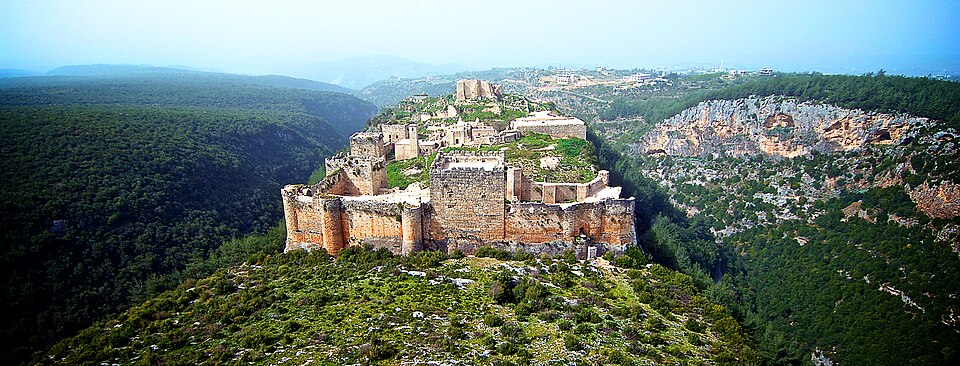
Panoramic view of Citadel of Sahyun in Syria (source : Wikipedia)
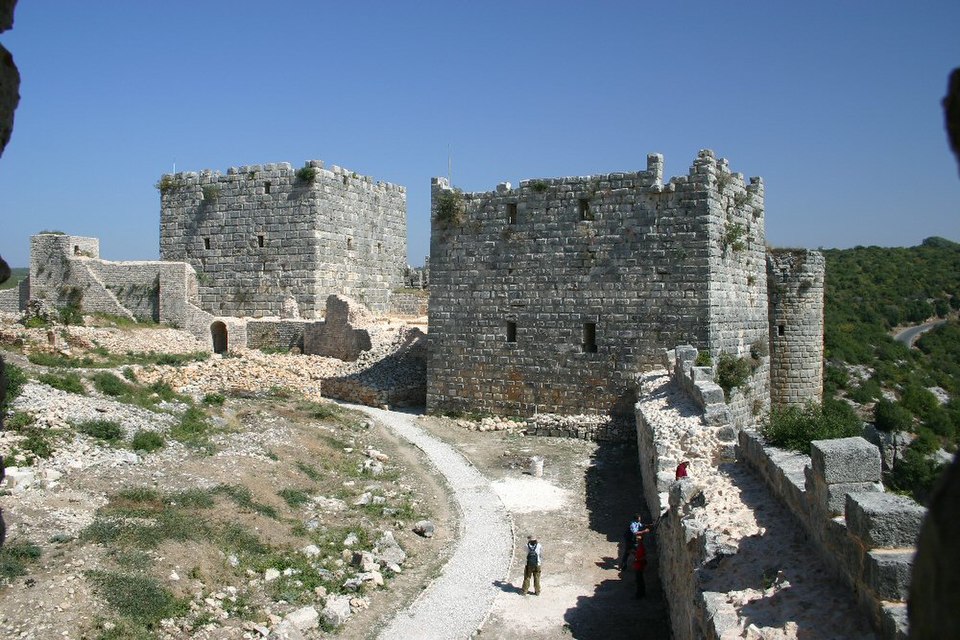
Sahyun castle interieur in Syria (source : Wikipedia)

2) Krak des Chevaliers Castle
아래 Krak des chevaliers 성은 크루세이드 전쟁시 지은 성이라 하는데, 이들이 원형 치(keep)를 왜 지었는지 의문이 간다. 사각형 치의 모습도 보이므로, 기존의 성곽 모습을 증축한 것이 아닌가 한다.
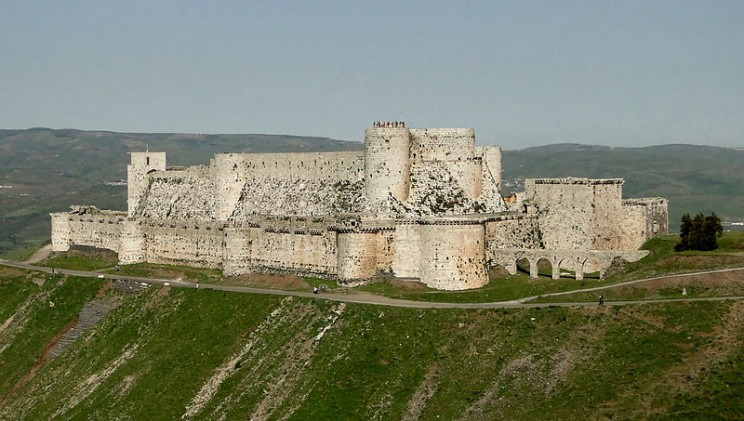
Krak des Chevaliers in Syria (source : wikipedia)
아래 내부의 모습을 보면 12세기의 것이 아니라 훨씬 더 오래전의 성이었음을 알 수 있다. 기원전의 그리스 헬레니즘 시대의 모습도 보인다. 따라서 기존의 성을 증축한 것으로 보인다. 그래서 고구려 성의 모습 위에 증축한 것이 아닌가 한다.
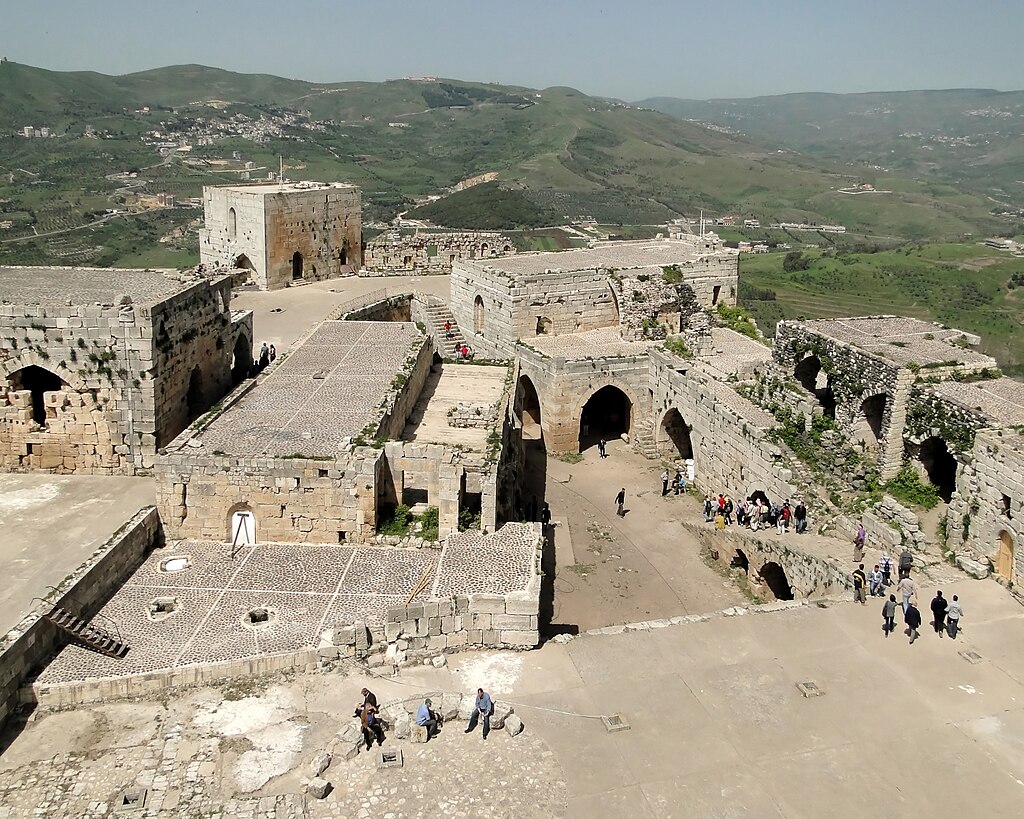
Krak des Chevaliers in Syria (source : wikipedia)
3) Damascus city walls
아래 다마스커스 도시 성벽의 모습인데, 원형 치의 모습이 있다. 고구려의 그것이 아닌가 한다. 훈족이 시리지역에 진출했다고 우리는 위키피디아 자료를 보았다.
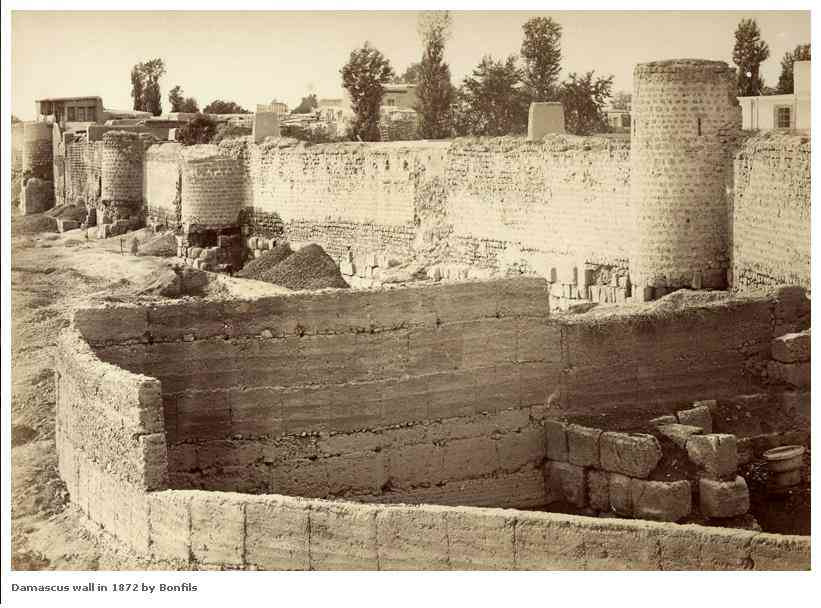
Damascus city walls in Syria (source : Wikipedia)
4) Nimrod Castle
아래 골란고원에 있는 Nimrod Castle에서 우리는 원형 치의 모습을 볼 수 있다. 비록 일부 Ruins의 모습이지만, 고구려의 치 모습을 보인다.
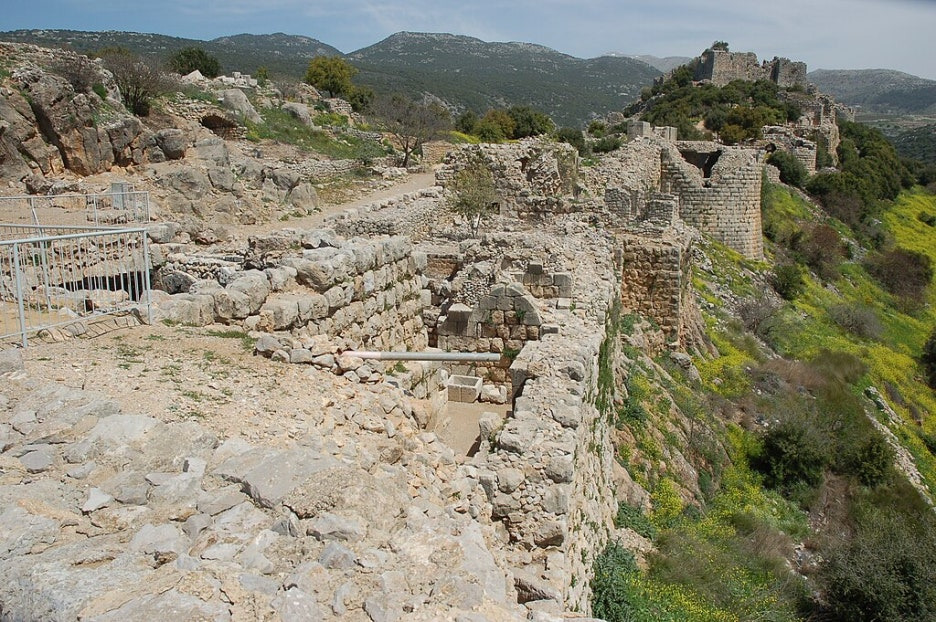
Nimrod castle in Golan Heights (Israel, Syria) (source : Wikipedia)
5) Jericho castle
아래 Jericho castle과 city walls의 모습에서 고구려의 특성인 원형 치와 사각치를 볼 수 있다. 그래서 광개토태왕의 비문에 나오는 백제 정복 성의 하나인 야리성이 아닐까 한다.
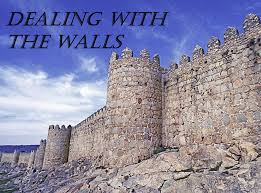
Jericho city walls
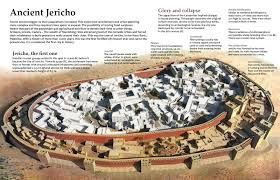
Ancient Jericho
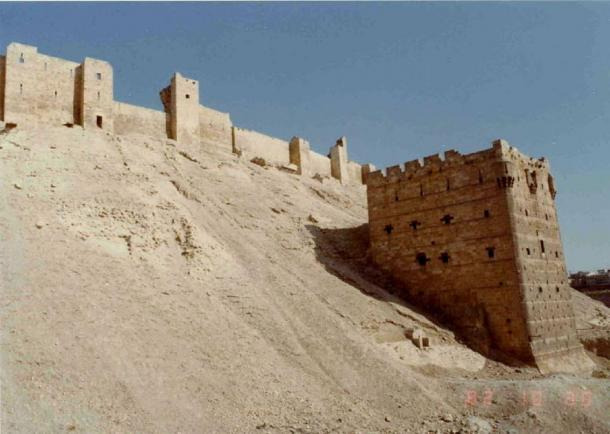
Walls of Jericho
6) Cairo Citadel
이집트의 수도 카이로의 city walls의 아래 사진은 원형의 치 모습을 보인다. 고구려의 광개토태왕이 암만성까지 또는 페트라까지 진출했다면 이집트의 카이로까지 갈 수 있다. 필자는 이집트의 신왕국 18왕조, 기원전 14세기의 네페르티티(Nefertiti)여왕과 아케나텐 (Akhenaten) 파라오가 편두를 하였다는 것을 밝혔다. 따라서 이집트의 카이로성이 수묘인 성이 될 수 있다고 본다.
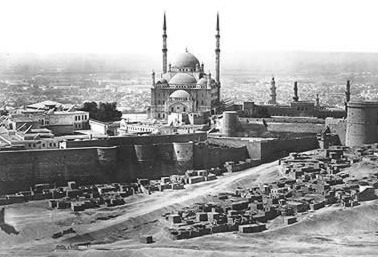
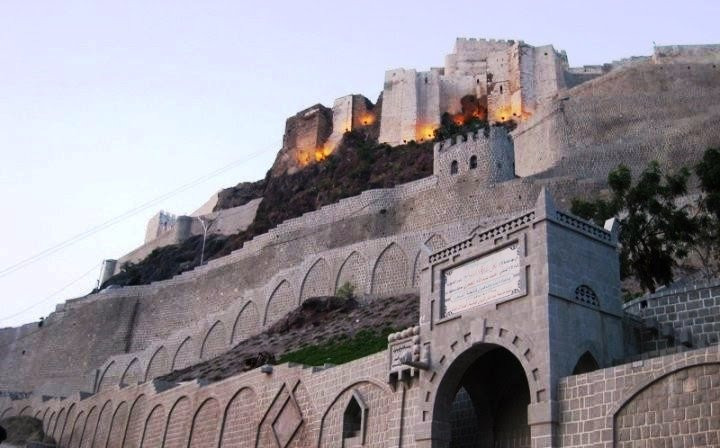
Citadel Cairo in Egypt
10. Sahyun Castle and Seyhan river, Ceyhan river
우리는 위에서 Sahuyn castle이란 이름을 보았는데, 이와 유사한 이름이 튀르키예에는 많이 있다. 아래 지도를 보면, Seyhan river, Ceyhan river를 볼 수 있다.
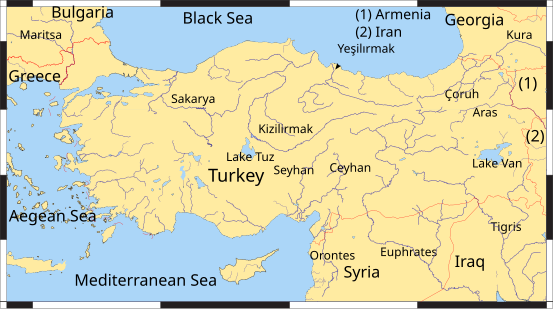
River map in Turkey (source : wikipedia)
Seyhan river, Ceyhan river는 새한강, 세한강으로 읽힌다. 필자는 이미 과거의 글에서 튀르키예의 Porsuk river : 포석강, 포석정 있는 곳(?), Goksu river (=blue water), Aksu river(=white river)(백강) ; 백마강으로 추정하는 글을 쓴 바 있다. 즉 고구려의 이 지역 진출 가능성이 매우 높다는 것을 말하고자 하는 것이다.
11. 광개토태왕 비문의 수묘인성인 아단성과 잡진성 in Cilicia
또 하나의 결정적인 고구려 이 지역 진출의 증거는 아단성과 잡진성의 이름이다. 이 두개의 성은 광개토태왕 비문의 수묘인제도 성에서 동시에 언급되며, 간연 10가를 둔 것으로 비문에 기록되었다. 필자는 한 때 아단성이 아테네에 있는 성이 아닌가 하고, 잡진성은 Zanzibar이름이 있는 아프리카 남동해안(짐바브웨 동쪽)의 섬지역이 아닌가 했지만, 2개의 성이 동시에 수묘인 성에 언급되며, 간연 10가로 명명한 것을 보면, 서로 인접하고 있을 것이라는 점에 고민하고 있었다. 그러나 이 레반트지역 연구를 하면서, 아단성은 Adana Province, Adana city, Adana castle (=Anazarbus castle)이 아단성으로 추정되고, 잡진성은 바로 인접한 Zangibar Castle (in Isauria Nea)으로 추정되었다. 이 지역은 아나톨리아의 지중해 연안에 위치한 Cilicia지역으로 안티오크와 가깝다. 이 지역에 거했던 Isaurian은 스키타인이 아닌가 한다. 또 다시 스키타인지역이 조상들의 지역으로 추정되는 것이다. 동시에 이 지역까지 진출한 광개토태왕의 여정을 보면, 암문성은 레반트지역의 성이라는 것이 더욱 확실해진다.
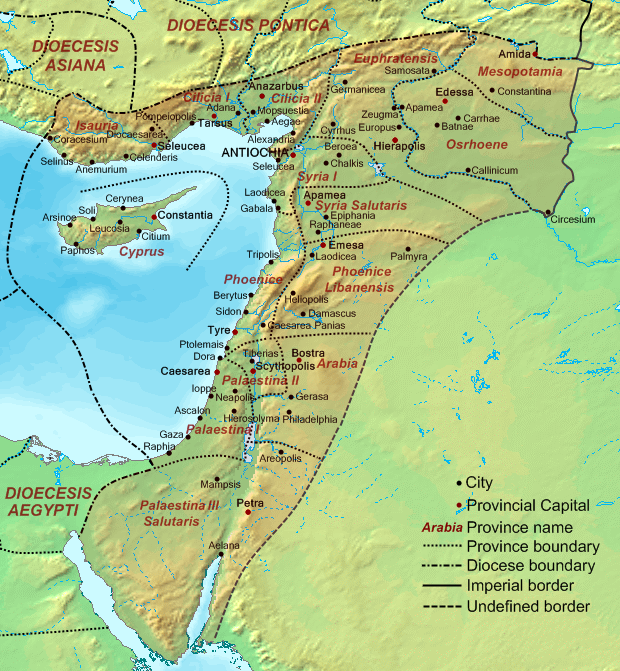
Diocese of the East in 400 AD
III. 결 론
광개토태왕의 비문에 나오는 백제와의 전쟁에서 공취한 성이름 중에 암문성(巖 바위 암 門 문 문 城 재성)이란 독특한 성이름이 등장한다. 필자는 바위 문 성이라는 뜻풀이로 처음에 이해했으나, 페트라지역을 살펴 보면서 실제 요르단에는 Amman Citadel, Amman Kingdom이 있었다. 그래서 음가차환의 이름으로도 고려하고 이 지역의 역사를 살펴 보았다.
그러나 대부분의 광개토태왕의 점령지역에서 그렇듯이, 일부러 역사를 은폐하려는 의도하에 쓰여진 것이라 그런지, 매우 짧은 언급이나, 아예 4-5세기 로마제국 역사시기는 공백기간으로 언급을 하지 않고 넘어간다. 그리고 6세기 비잔틴제국의 Justinian I 황제의 교회설립이나 기독교 전파 이야기로 건너 뛰고, 7세기의 아랍의 정복으로 역사가 건너뛴다.
그래서 부득이 다른 방법으로 그 빈칸의 역사를 찾아볼 수 밖에 없었다. 고구려 성곽의 모습인 원형 치가 있는 그림을 찾아 보고, 가늠해 보고, 또는 근처지역의 역사를 뒤져야 겨우 실마리를 찾게된다. 이러한 이유로, 암문성의 위치를 찾기 위해 방대한 자료를 보게 되었고, 시간이 많이 걸렸다.
또한 시리아 지역과 아라비아 페트라 지역의 로마 제국 지방관 파견 리스트를 살펴 봄으로써, 이 지역이 로마제국의 지역이 아닌 시기를 가늠함으로써, 공백의 역사시기를 추정할 수 있었다.
그리하여 광개토태왕이 공취한 백제의 암문성은 Amman citadel이거나 Petra의 바위문일 수 있다는 것을 확인할 수 있었다. 그리고 근처의 Cilicia지방에서, 아나톨리아 남쪽 해안지역에서 광개토태왕 비문에서 언급되는 아단성과 잡진성을 찾게 되는 부수적 효과도 거두었다. 즉 이 지역에 광개토태왕의 활동이 있었다는 결정적인 자료가 된 것이다.
앞으로도 광개토태왕의 비문에 나오는 성곽이름의 장소를 찾는 일이 계속될 것이다. 이는 한반도의 식민지 역사관을 와해시킬 수 있는 아주 실증적인 방법이 되기 때문이다. 필자의 역사관과 일치하는 광개토태왕 비문에서 나오는 성곽이름의 위치 추정은 필자의 기존의 역사관을 옹호해주는 매우 실증적인 자료가 되기 때문이다.
'한국의 역사 > 고구려' 카테고리의 다른 글
| 곡튀르크는 돌궐이 아니라 고구려이다 (0) | 2026.06.08 |
|---|---|
| 광개토태왕이 공취한 잡진성은 튀르키예 Isauria 지역에 있었다 (1) | 2025.11.21 |
| 고구려 대무신왕이 복속 받은 구다국은 어디인가? (0) | 2023.11.04 |
| 그리스의 조르바 댄스(Zorbas Dance)는 어디서 왔을까? (0) | 2023.09.15 |
| 고구려 - 수, 당 전쟁은 유럽에서 있었다 (0) | 2022.10.28 |